

The Ultimate Guide to Hiring a Drone Pilot for Your Next Shoot
Finding the right drone pilot is key to capturing high-quality aerial footage. This guide covers everything you need to know—from licensing and equipment to pricing and safety—so you can hire the best drone operator for your next shoot.
The Ultimate Guide to Hiring a Drone Pilot for Your Next Shoot
Drones have become an essential tool in filmmaking, offering breathtaking aerial perspectives and dynamic shots that were once difficult or expensive to achieve. Whether you're producing a TV show, commercial, documentary, or live event, hiring the right drone pilot is crucial to capturing high-quality footage. This guide will walk you through everything you need to know to find and hire the best drone operator for your next shoot.
1. Define Your Project Needs
Before you start searching for a drone pilot, it's essential to define your project’s specific needs:
Type of Shoot – Are you filming for TV, film, real estate, a corporate video, or an event?
Shot Requirements – Do you need cinematic sweeping shots, close-up tracking, thermal imaging, or live broadcasting?
Location Considerations – Are there flight restrictions, FAA regulations, or special permits required for your shoot location?
2. Verify Licensing & Certifications
A professional drone operator must have the proper certifications to fly legally and safely. In the U.S., this means:
FAA Part 107 Certification – Ensures the pilot is licensed to fly commercially.
Insurance Coverage – Liability insurance is critical in case of accidents or damages.
Waivers & Permits – If shooting in restricted airspace or over crowds, the operator may need FAA waivers or local permits.
3. Evaluate Experience & Portfolio
Not all drone pilots have the same skill set. Look for an operator with experience in:
Your Industry – A drone pilot specializing in real estate may not have the same skills as one experienced in film production.
Camera Operation – The ability to operate drones and camera gimbals ensures high-quality, smooth shots.
Portfolio Review – Always check previous work to assess quality, composition, and diversity of shots.
4. Ask About Equipment & Capabilities
The quality of drone footage depends on the equipment used. Ask the pilot about:
Drone Models – High-end drones like the DJI Inspire 3 or Matrice series offer superior cinematic quality.
Camera Specs – Resolution (4K, 6K, 8K), frame rate, low-light performance, and lens options.
Additional Features – FPV (first-person view) drones for action shots, thermal or multispectral imaging for inspections, or live-streaming capabilities.
5. Understand Pricing & Contracts
Drone pilot rates vary based on experience, equipment, and project complexity. Consider:
Day Rate vs. Hourly Rate – Some operators charge by the hour, while others have a fixed daily rate.
Post-Production Services – Will they provide raw footage only, or offer editing services?
Revisions & Licensing – Clarify how footage can be used, ownership rights, and any additional costs.
6. Ensure Compliance & Safety
Safety is a priority in aerial cinematography. Make sure your drone operator:
Performs a Pre-Flight Check – Evaluates weather, obstacles, and airspace regulations.
Has Backup Equipment – Extra batteries, spare drones, and safety gear.
Follows Legal Guidelines – Understands local laws regarding privacy, crowd safety, and restricted areas.
7. Where to Find a Professional Drone Pilot
To hire a qualified drone pilot, consider these sources:
Professional Directories – Platforms like DroneBase, DroneHive, or AirVūz list experienced pilots.
Industry Referrals – Ask cinematographers, production companies, or media professionals.
Social Media & Websites – Many drone pilots showcase their work on Instagram, YouTube, and LinkedIn.
Conclusion: Elevate Your Production with the Right Drone Pilot
Hiring the right drone pilot can make a significant difference in the quality of your production. By verifying certifications, reviewing portfolios, and understanding equipment capabilities, you can ensure your shoot runs smoothly and delivers stunning aerial visuals.
Tell us what you need to capture, where the project is located, and how you plan to use the imagery. West Coast Drone Operations can help scope the right flight plan, deliverables, and crew for the job.
Discuss Your Project →
How Aerial Footage Can Boost Your Real Estate Marketing
Aerial footage is a game-changer in real estate marketing. Discover how high-quality drone photography enhances listings, attracts buyers, and helps sell properties faster.
Introduction: The Power of Drone Footage in Real Estate
In today’s competitive real estate market, high-quality visuals are essential for attracting buyers and selling properties faster. While traditional photography has its place, aerial footage takes real estate marketing to the next level, offering stunning perspectives, immersive virtual tours, and a unique way to showcase properties. Whether you're selling a luxury home, a commercial property, or a large estate, aerial footage can make your listings stand out and increase engagement.
1. Capture Stunning Views & Property Layouts
Showcase the Entire Property – Aerial shots provide a bird’s-eye view of the home, land, and surrounding features like pools, driveways, and landscaping.
Highlight Neighborhood Appeal – Buyers get a real sense of the location, including nearby parks, beaches, or cityscapes.
Make Listings More Engaging – Studies show that listings with aerial images and video get more clicks than standard photos.
2. Elevate Luxury & High-Value Listings
Luxury home buyers expect premium visuals. Aerial drone footage can:
Create a cinematic experience that enhances the home’s exclusivity.
Highlight unique features like sprawling backyards, custom pools, and scenic views.
Tell a story visually, making high-end properties more attractive to potential buyers.
3. Provide a Competitive Edge in Marketing
Differentiate Listings from Competitors – Homes marketed with aerial photography appear more premium than those without.
Attract More Views & Shares – Aerial videos are highly shareable on social media, increasing organic reach.
Appeal to Remote Buyers – Drone footage helps out-of-town investors or buyers feel connected to a property before visiting in person.
4. Increase Buyer Confidence & Trust
Buyers appreciate transparency in listings. Aerial views:
Give a full picture of the home and land without surprises.
Help investors evaluate properties remotely.
Build trust by showing the property’s true condition and surroundings.
5. Improve Marketing ROI with Video Tours
Real estate drone videos create:
High-quality virtual tours to enhance online listings.
Stronger engagement on listing platforms such as Zillow, Redfin, and MLS.
More effective social media ads that drive inquiries.
Conclusion: Stay Ahead with Aerial Real Estate Marketing
Drone photography is no longer a luxury—it’s a necessity in real estate marketing. Whether you're an agent, developer, or property owner, aerial footage can make your listings more attractive, boost engagement, and ultimately sell properties faster.
From individual properties to larger developments, professional aerial imagery can help communicate location, scale, surroundings, and features that are difficult to capture from the ground alone.
Discuss Your Project →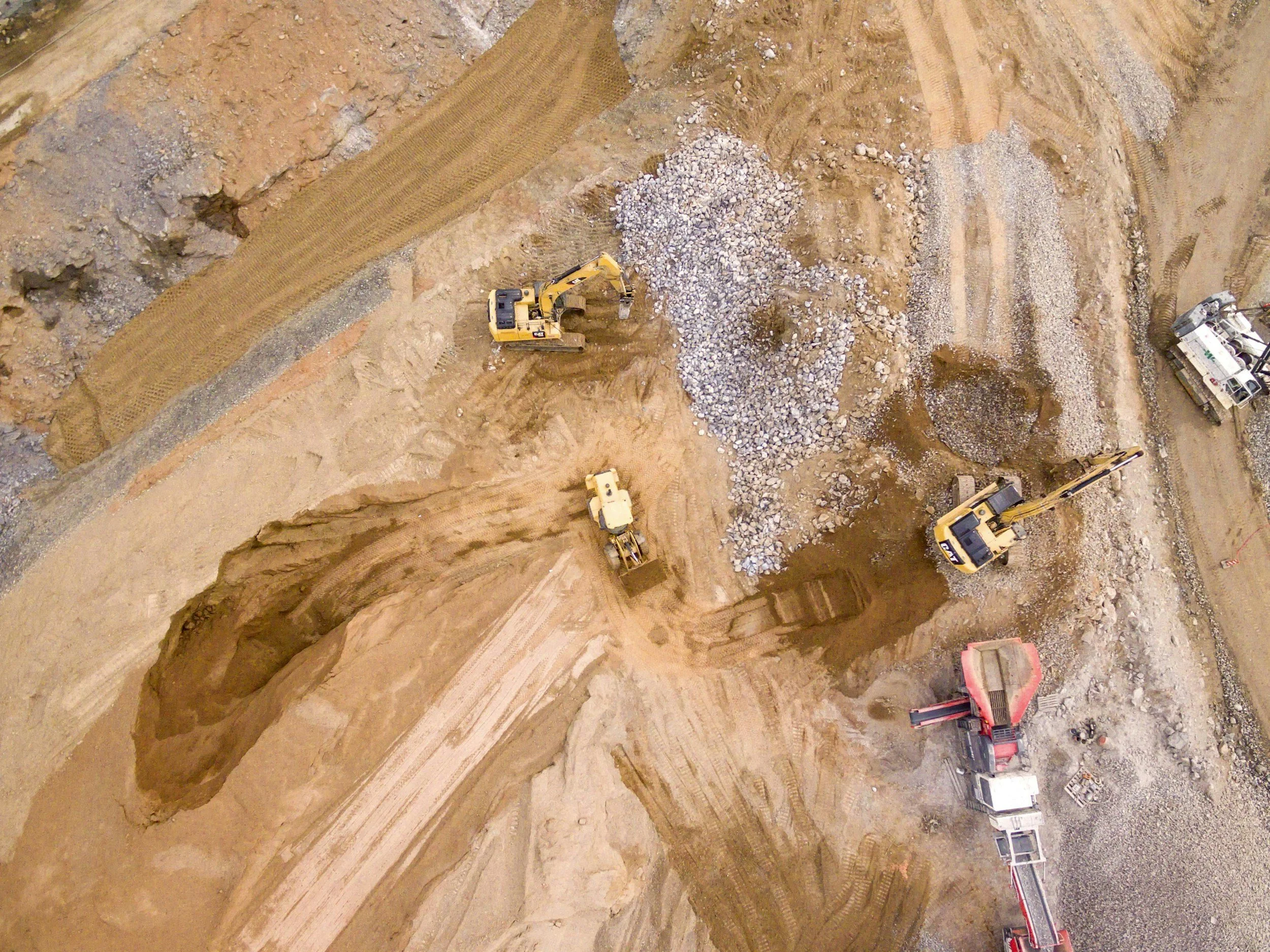
10 Ways Drones Improve Safety on Construction Sites
Drones are transforming construction site safety by providing real-time aerial monitoring, hazard detection, and compliance tracking. Learn how drone technology reduces risks and enhances worker safety.
Introduction: Enhancing Safety with Aerial Monitoring
Construction sites are high-risk environments, where worker safety, site security, and compliance with regulations are top priorities. Traditional safety measures, while effective, often come with limitations in terms of visibility and real-time data collection.
Drones are revolutionizing construction site safety by providing real-time aerial monitoring, hazard detection, and enhanced site management. With high-resolution cameras and data collection, drones help identify risks before they become accidents. In this guide, we explore ten ways drones improve safety on construction sites, with a focus on visual monitoring.
1. Real-Time Aerial Surveillance
Drones provide live video feeds of construction sites, allowing supervisors to monitor activities from a safe distance. This reduces the need for on-site inspections in hazardous areas and ensures that safety protocols are being followed in real time.
2. Identifying Hazards Before They Become Accidents
Aerial footage allows site managers to detect potential hazards such as unstable structures, exposed wiring, or equipment malfunctions. By spotting these risks early, teams can take corrective action before accidents occur.
3. Improving Worker Safety & Compliance
Drones help ensure that workers are wearing proper safety gear (helmets, harnesses, vests) and following OSHA regulations. By capturing aerial views of the entire site, managers can quickly address any safety violations.
4. Monitoring High-Risk Zones Without Human Exposure
Some areas of a construction site—such as high-rise structures, deep excavations, or scaffolding—are too dangerous for frequent human inspection. Drones allow supervisors to assess these areas remotely without putting workers at risk.
5. Enhancing Security & Preventing Trespassing
Unauthorized access to a construction site poses both security and safety risks. Drones can monitor perimeters and provide automated alerts if trespassers or unauthorized vehicles enter restricted zones.
6. Assessing Structural Integrity from Above
Drones equipped with high-resolution cameras can identify cracks, weak points, and structural issues that may not be visible from the ground. This helps prevent collapses or failures before they happen.
7. Improving Communication & Coordination
Aerial monitoring provides an instant overview of the site, allowing teams to better coordinate workflows and reduce congestion in hazardous areas. This leads to smoother operations and fewer accidents.
8. Conducting Faster & Safer Inspections
Traditional safety inspections often require scaffolding, ladders, or cranes—all of which come with risks. Drones eliminate the need for manual access, making inspections faster, safer, and more cost-effective.
9. Tracking Equipment & Reducing Safety Incidents
Drones help track the location of heavy machinery, vehicles, and tools, ensuring that equipment is used safely and efficiently. They can also monitor blind spots where workers and vehicles might be at risk of collision.
10. Documenting Safety Compliance for Legal & Insurance Purposes
Drones create detailed visual records of site conditions, safety protocols, and compliance measures. This footage can be used for:
Accident investigations
Liability protection
OSHA compliance reports
Conclusion: Elevate Construction Site Safety with Drone Monitoring
The use of drones for visual monitoring is transforming safety protocols in the construction industry. From real-time hazard detection to improved inspections and compliance, drones provide a cost-effective, efficient, and safer alternative to traditional monitoring methods.
Recurring aerial monitoring gives project teams a broader view of site conditions, access areas, progress, and changing conditions while reducing the need to physically access some difficult or elevated areas.
Take the Aerial Opportunity Assessment →